

What's Covered on This Page
- Common Signs of Hormone Imbalance
- What a Hormone Therapy Consultation Includes
- Hormone Replacement Therapy for Men & Women
- What to Expect When You Start Therapy
- Long-Term Hormone Health Management
- How do I know if hormone therapy is right for me in Murrells Inlet?
- What should I bring to my first hormone therapy visit?
- How long does it take to feel results from hormone therapy?
- Does the coastal climate in Murrells Inlet affect hormone levels?
- Is bioidentical hormone replacement different from regular hormone therapy?
- Can men in the Burgess area get testosterone replacement therapy here?
Common Signs of Hormone Imbalance
You used to be able to sleep all the way through the night. Now, you find yourself suddenly alert at 3:00 a.m. for absolutely no reason.
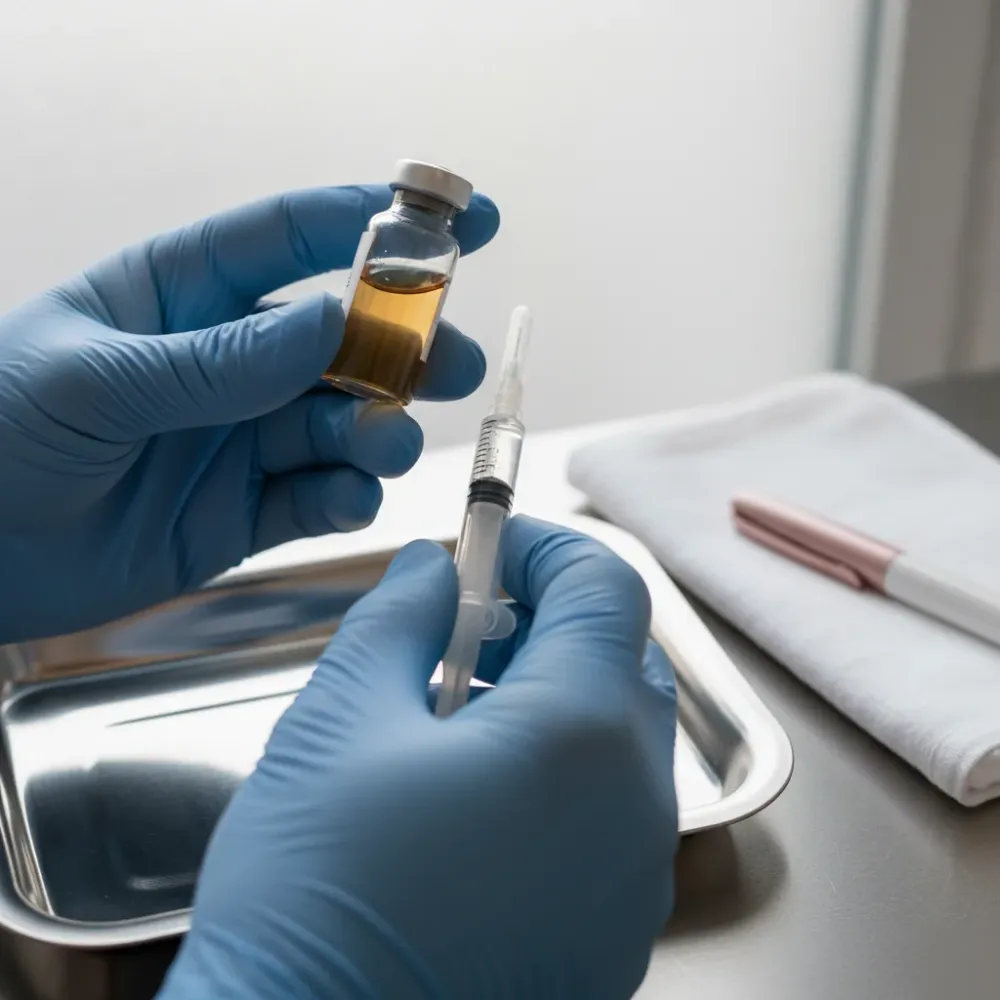
This is often the first clue we hear from new patients who arrive at our Murrells Inlet clinic. They can't identify the specific trigger for the change. They simply know that "something isn't right." That intangible "something isn't right" sensation is the number one indicator of an imbalance in hormones. Hormone issues don't always make their presence known through glaring signs.
They begin almost imperceptibly, gradually draining you of your drive and temper.
We've noticed the following are the most frequent indicators in our patients:
- Inexhaustible fatigue no matter how much you sleep
- Stomach fat that won't go away even with exercise and healthy eating
- Brain fog, poor concentration, forgetting what you're trying to say
- Depressed feelings or moodiness that comes from nowhere
- A lack of enjoyment for things you used to love, including sex
Many of them share that they thought it was only stress. Or just getting older. We don't think a 45-year-old should feel as if they're running on empty on a daily basis. It's not a sign of normal aging when your body is signaling that it's time for a checkup.
We also treat people from the Burgess neighborhood and along the Inlet who have been seeing their primary care physician, and then seeing other medical experts as well. They have received blood tests and their numbers have supposedly come back normal. But we have to remember how wide "normal" is. Just because something can fall in the normal range doesn't mean you shouldn't feel horrible.
In order to offer hormone therapy, we must look at the whole picture; there is no single number that can tell us whether a person's hormones are off-balance.
Certain indicators are also gender-specific. Men commonly notice a loss of strength and lengthier recovery time post-workout. Women experience symptoms like night sweats and hot flashes, plus irregular periods. Everyone, though, will struggle with feeling fatigued and experiencing brain fog.
If you're ignoring the way you feel because you believe it is just "life," pause a moment to reflect on the facts. Your hormone levels begin to drop in your mid-30s, reports the Endocrine Society. It doesn't have to reach a miserable level before you address it.
Hormone therapy is part of the whole-body care at our health spa.
What a Hormone Therapy Consultation Includes

A lot of people procrastinate in calling because they do not know what a hormonal visit involves. This makes sense. So this is what happens when you enter our office here in Murrells Inlet on your first visit for treatment.
We begin by talking about your medical issues. This is not some clipboard with questions and a rush. You take a seat, tell us what is bothering you, and we will really hear you. Can't sleep?
Can't lose weight? Can't find the bathroom? These symptoms are common in my clinic.
After that, we get to the blood work. This is because the symptoms alone are only half of the problem. We need to know how your hormones, thyroid, metabolism, etc. are actually performing in your body. Our lab is in our office near the Marshwalk, so there is no need to drive somewhere else to get blood drawn.
After you leave, we wait for the lab results to come back, and then sit with you again for a review. This part of the visit looks like the following:
- We go over your results one by one, without using any technical terminology
- We identify where your hormones are out of balance
- We create a treatment plan based on your blood work and your symptoms
- We discuss what kind of hormone treatment best fits your needs. Whether it is bioidentical hormone replacement therapy (BHRT), or even testosterone replacement therapy (TRT) if you are a male patient
- We then schedule a follow up so we can see how well your body responds to the prescribed therapy

The whole experience usually takes about 45 minutes, sometimes a bit longer if there are many issues we need to address. There is no pressure.
What I also want to point out is that the initial hormone plan may require adjustment over time. You may need different levels of hormones at month three than at month one. It is not uncommon to recheck the labs again, and this helps us get a better idea of the appropriate dose for each patient. In most cases, the patients with the most success follow through on the required monitoring and treatment.
At this point you may be wondering whether hormone replacement therapy is the right path for you. That is why we spend the initial time talking you through what your body is experiencing currently, and the options available to treat the issues.
Hormone Replacement Therapy for Men & Women
The truth is, hormones don't care what your age or gender is, it just that they eventually malfunction.

We treat both genders at our Murrells Inlet practice, and the approach to treatment varies depending on the patient. A 45 year old woman suffering from brain fog and night sweats would require a very different treatment plan than a 50 year old man suffering from fatigue and muscle loss. We see both of these patients all the time at my office.
Women
Women usually present during perimenopause, or after they have fully transitioned into menopause. This is when they are prescribed Bioidentical Hormone Replacement Therapy (BHRT). These hormones are identical in structure to the ones that your body naturally produces. Common symptoms include:
- Night sweats that keep you tossing and turning for weeks at a time
- Mood swings that aren't like you at all
- Belly fat you simply can't lose
- Fatigue and brain fog combined
We start with blood testing. Always. Then we design a treatment plan based on your hormone levels.
For Men
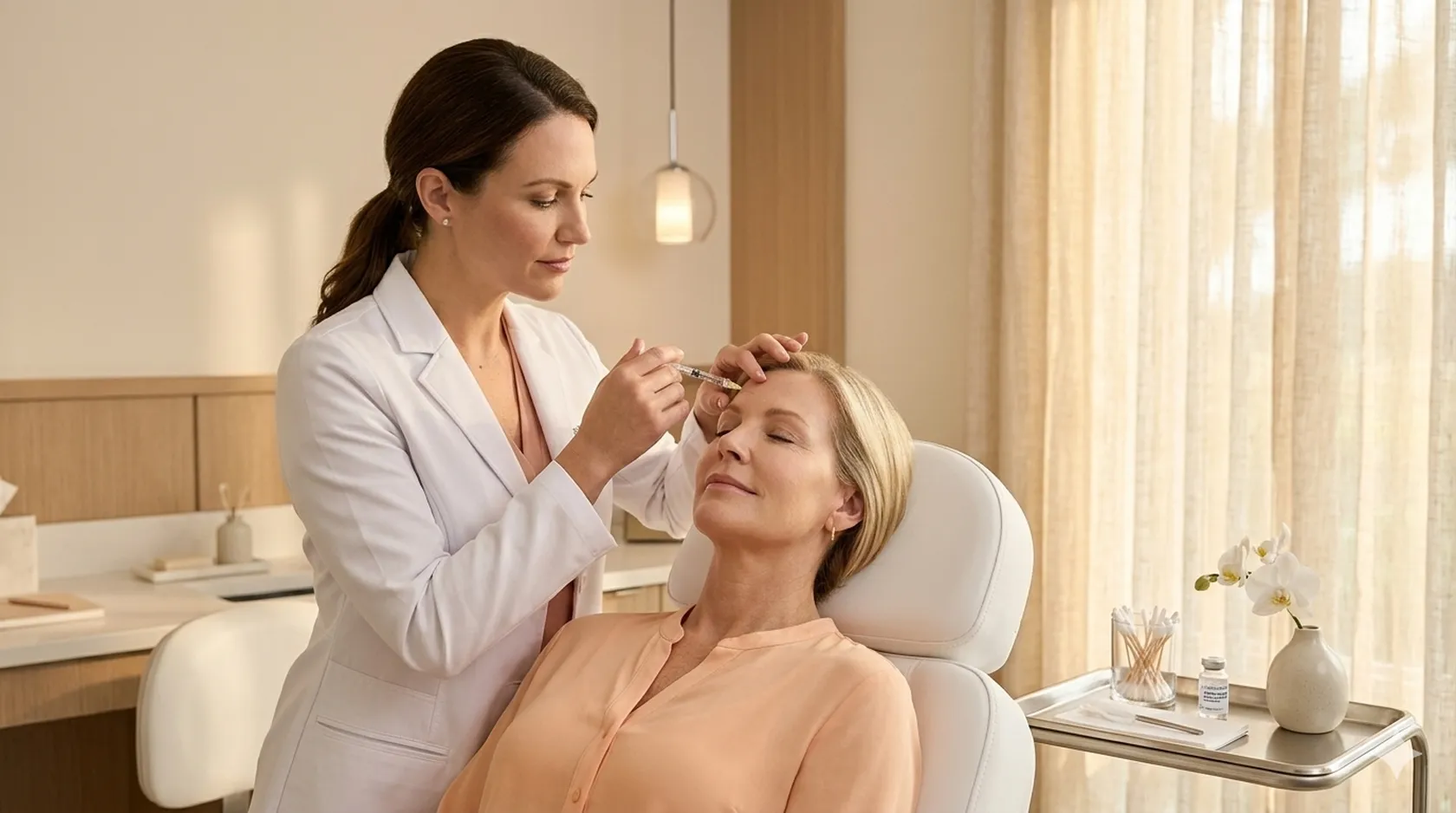
Men often wait until the very last minute to seek help. A man from Burgess or down around the MarshWalk is often suffering for a year or two before showing up for treatment. Testosterone replacement therapy is designed to help men suffering from the natural hormone decline that begins to creep in around 30 and gets much more prevalent after 40. Decreased motivation, trouble recovering from workouts, and random bouts of irritability should be familiar to anyone who has dealt with low hormones.
According to the American Urological Association, about 40% of men over 45 are deficient in testosterone, but most men never test for it.
Here's the kicker: Men and women with symptoms of hormone imbalance will frequently have the same symptoms. Fatigue, weight gain, and decreased libido will be shared symptoms. The symptoms may be different on paper, but the treatment is determined by your hormone levels. We don't guess.
We test. We review your labs with you. We treat your individual needs, and we monitor your labs to be sure you're improving.
Not sure which therapy will work best for you? Call us today to learn more.
Need help with hormone therapy?
Book An Appointment. Jolie Visage Rejuvenation Centre is ready to help.
What to Expect When You Start Therapy
Let's get one thing straight. You won't walk out of the office a new person.
In the beginning, we hear the same question a lot from men and women starting Murrells Inlet hormone therapy. "How long will it take for me to feel a difference?" The truth is that it depends on the individual, and it depends on the reason you came to us in the first place. However, we can tell you what changes to anticipate based on our experiences at the office.
Early in the Process

The first change that we typically see is better sleep. Patients tell us they are sleeping better both falling asleep easily and staying asleep. Energy starts picking up after the second and third weeks as well; we aren't talking about an energetic burst but a gradual improvement in your general energy level. You may find your mood stabilizing, feeling less irritable as the weeks progress.
You might find yourself thinking clearly and having fewer brain fog-related memory lapses.
After that, there are some longer lasting changes to notice.
Physical changes such as body composition, muscle tone, and libido may take 6 to 12 weeks before patients start to notice. According to the Endocrine Society, the full effects of hormone replacement therapy can take 3 to 6 months to be fully evident, depending on treatment regimen. The advice we give to every one of our patients is: Be patient, trust the process, and trust that our labs will be monitoring your progress.
This is what your follow-up schedule might look like:
- Day one, you have your first lab draws done, and you're starting treatment
- Two weeks, phone or in-office visit
- Weeks 4-6, more labs
- If your levels are off, you get adjusted again.
- Then you'll have labs every three to four months after that
Because that's just the process of how it works, we don't tell people we treat near Inlet Square, or anywhere else in Murrells Inlet, to pick up a prescription and come back only if something is wrong. You are not expected to "feel like it's time to come back". You should come back, because your hormone levels are always going to change, sometimes a lot, and that's when we're going to have some of our best conversations.
Some days you'll be fine and some days you won't be, but the treatment will still be working for you. If you're not sure you're noticing a difference, give us a call. That's why we are here!
Long-Term Hormone Health Management
Getting you in balance is step one. Making sure that stays balanced for you is step two, and that is what really matters.

That's the exact same conversation I have with every new patient in Murrells Inlet on the day they meet me. You cannot do hormone replacement therapy like, "I'll just do this and come back in a year when I need more." Your body does change as you go through life, as your stress changes, your sleep changes, your exercise routine changes, as do many other factors, so that's why follow ups are important, and they really work.
You're likely coming in for labs and follow ups fairly regularly. Here's what we're doing with those labs, how we're reviewing your health, and how we plan for your success:
- You get labs at set intervals to determine if you're hitting those levels.
- We review your symptoms and daily experiences as we discuss your care plan.
- We adjust your dosing using your lab values and the feedback you share about how you're feeling day-to-day.
- We take a holistic approach that includes factors like sleep quality, energy levels, and mood to your overall well-being is optimized.
I've had patients who come back every three months and then don't come back until the following year. They call me in like September saying, "Hey I felt good for the first three months of my treatment. But now, it seems like all my symptoms are coming back?" So, I see the same thing time and time again. If you just stay with us it's easy to fix.
You are a different person at 45, than when you were 55, and your hormones will not be the same as they were before. So yes, we account for it.
Sometimes it's also a good idea to supplement your hormone treatments with additional services, which we can discuss when your visit. For example, if you'd like peptide therapy or nutrition counseling, those things can help to support your hormonal goals. We talk through those things during your visit, and never tell you to do anything you don't feel is right for you.
You're going to be happy, and want to stay that way. We are too! The key is that we are not just talking in a vacuum. We are looking at you, and we are looking at your symptoms.
If you are honest about how you're doing, what to do. That's how you make it work when you have hormone replacement done right!
Hormone Therapy is one of the health spa services at Jolie Visage in Murrells Inlet. If you're considering more than one treatment, we'll help you build a plan that fits your goals.
Frequently Asked Questions
Common questions about hormone therapy services in Murrells Inlet
How do I know if hormone therapy is right for me in Murrells Inlet?
If you feel tired all the time, foggy, or just off — and nothing explains it — hormone therapy may be worth looking into. We start with a full blood panel right here in Murrells Inlet, so we're working from your actual numbers, not guesses. Standard lab ranges are broad. You can fall within "normal" and still feel terrible. The first visit is about getting clarity, not committing to anything.
What should I bring to my first hormone therapy visit?
Bring any recent lab work you've had done, a list of your current medications, and a general idea of your symptoms and when they started. You don't need to have everything figured out. We'll walk through it together during your visit. The first appointment runs about 45 minutes. We run blood work here at our office, so you won't need to go anywhere else before we can build your plan.
How long does it take to feel results from hormone therapy?
Most people start noticing changes within four to six weeks, but the full effect usually takes three months or more. Your body needs time to adjust. We recheck your labs at regular intervals so we can fine-tune your plan as you respond. The people who see the best results are the ones who keep their follow-up appointments and give the process time to work.
Does the coastal climate in Murrells Inlet affect hormone levels?
It can play a role. Heat and humidity along the coast put extra stress on your body, which can make fatigue and mood symptoms feel worse than they already are. Dehydration is also more common here in summer, and that can mimic or worsen hormone imbalance symptoms. We take your lifestyle and local environment into account when we review your labs and build your plan.
Is bioidentical hormone replacement different from regular hormone therapy?
Yes, and it matters. Bioidentical hormones are made to match what your body already produces, so your system recognizes them more naturally. We use bioidentical hormone replacement as the core of what we offer here in Murrells Inlet, especially for women going through perimenopause or menopause. We always base the decision on your blood work first, then match the type of therapy to your specific levels and symptoms.
Can men in the Burgess area get testosterone replacement therapy here?
Absolutely. We see men from the Burgess area and all around Murrells Inlet who are dealing with low energy, poor workout recovery, and low motivation. Testosterone levels can start dropping in your thirties and fall faster after forty. According to the American Urological Association, about 40 percent of men over 45 have levels below normal range. Most have never been tested. We can check your levels and give you a clear answer at your first visit.