
What's Covered on This Page
- Weight Loss Blood Panel Testing Explained
- Why 'Normal' Lab Results Don't Always Equal Health
- How to Prepare for Your Blood Work Appointment
- What to Expect After Your Results
- Who Benefits Most from Weight Loss Blood Work
- What should I do to prepare for blood work for weight loss in Murrells Inlet?
- Why do my regular lab results say 'normal' but I still can't lose weight?
- How long does a blood draw appointment take at your Murrells Inlet office?
- What markers does a weight loss blood panel check that a regular physical might miss?
- Do people from nearby areas like Garden City come in for weight loss blood work?
- What happens after my blood work results come back?
Need blood work for weight loss?
Book An Appointment. Call Jolie Visage Rejuvenation Centre now.
Weight Loss Blood Panel Testing Explained
Most of our Murrells Inlet patients arrive assuming we'll run just one or two tests. That's not what a specialized weight loss panel is, however. We're interested in the story your body is telling.
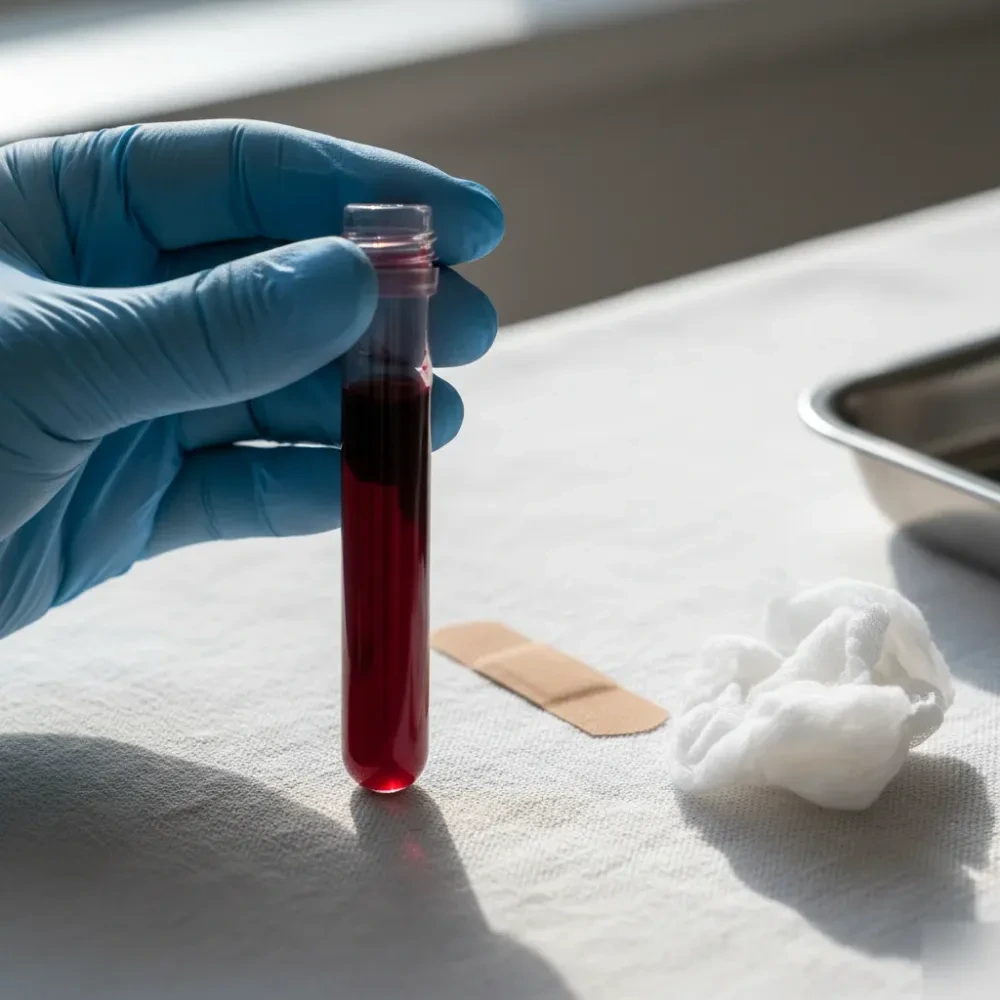
We're not making assumptions or relying solely on your complaints. These are the tests we commonly order and the role each one plays in your health plan:
- Thyroid testing (TSH, T3, and T4): We see many patients whose underactive thyroid can make them gain weight or struggle with weight loss.
- Blood glucose and insulin levels: This is how we gauge how well your body metabolizes sugar. High insulin levels tend to promote weight gain.
- Hemoglobin A1C: Our patients sometimes ask why we need to do an A1C when they already have a simple fasting glucose test. The A1C shows your average blood sugar over three months, instead of just one snapshot in time.
- Lipid profile: Your cholesterol and triglyceride levels shed light on how your metabolism and inflammatory pathways are functioning.
- Vitamin D and B12 testing: Low vitamin levels can lead to low energy, which can make it difficult for someone to stay active.
- Sex and stress hormones: Levels of testosterone, estrogen, and cortisol fluctuate with age and stress, and can all affect your propensity to gain weight.
These tests can yield surprising results. For example, we sometimes hear patients say, "My blood work came back normal last year, so I don't understand why I can't lose weight." The truth is, they might have just been in an abnormal range of one of our key tests. We've had people tell us they came in frustrated because they'd been adhering to a healthy diet and exercising faithfully for months. Yet, they were unable to lose weight because their cortisol was high, or their TSH was just slightly elevated, not high enough to raise a big red flag at their annual primary doctor's visit.
We can run these tests right here in our office near MarshWalk. It's an easy blood draw, and we'll typically have your results within days.
But even if the results are abnormal, it's what they mean in context that matters. One out-of-range result could mean anything. When three or four slightly abnormal results show up together and point in the same direction, that's when a pattern emerges, and that's when we can take action to address the issue. In the vast majority of cases, we can identify a specific medical reason that patients aren't achieving their weight loss goals.
Our panel testing finds these issues when diet and exercise just aren't working.
Blood work for weight loss is one of the medical weight loss services at Jolie Visage in Murrells Inlet, and we will help you fit it into a plan that matches your goals.
Why 'Normal' Lab Results Don't Always Equal Health
This can confuse some people. You come in for your annual physical and the doctor tells you that you're healthy and everything looks normal on your lab results, but despite what your doctor has to say, you still feel like your weight has you in a rut. We hear stories like this at our clinic several times a week.
Here's what's often unknown to people: "Normal" lab ranges are set at the levels needed to simply rule out medical illness. A thyroid level within the normal range may mean you don't technically need a diagnosis, but it may still be affecting your metabolism. So can a fasting insulin or cortisol level or a vitamin D level. In the space between what we call "normal" and what is actually "healthy for weight loss" is where a lot of our answers lie.
When we review lab results, we review them specifically through the lens of helping you lose weight. That changes things. You can have a 99 fasting glucose, which is "normal." But if we are looking at your body through a different lens, that 99 tells us that your body is already working harder than it should be. And, as the body gets older, fat becomes almost impossible to lose with that glucose.
The American Association of Clinical Endocrinology uses tighter markers for these values because the standard values don't always pick up these issues. Some of the common tests we look at include: Thyroid, but not just TSH (free T3 and free T4), Fasting insulin, not glucose, Inflammation tests like CRP, Vitamin D and B12, as well as other hormones like testosterone, etc. It doesn't matter how many times you've tried counting calories or doing a certain diet; your body needs the right lab test panels so that what is going on with your physiology. Our clients from across Garden City tell us that no one has ever asked about their lab work; everyone else told them "you're fine because it's normal.
You're normal." As soon as we get the tests, then everything else becomes pretty clear to them. Is there something hormonal that needs to happen? Do we recommend a metabolism booster injection? Is it simply a vitamin deficiency issue that is making weight loss so hard?
Whatever it is, once the right lab work is ordered, we now have a map to help guide us and get you the best results.
How to Prepare for Your Blood Work Appointment
Many of our clients get caught up on how to prepare for their lab draws when really, it is really quite simple. You just need to take care of a few things the night before and morning of your appointment.

First, fast before your test. This means not eating or drinking anything for 8-12 hours before your test. If you don't feel great after skipping meals, you can have water or black coffee. Do not add cream or sugar to the coffee.
If you eat or drink anything except water before your fasting blood test, you may throw off your glucose or your lipid panel, and this will result in bad data.
The Night Before Your Blood Test:
Continue with a normal dinner that night, do not attempt to eat "clean" just that night and think you can fix your numbers. We want to see what you are actually like, and the snapshot from "normal" will help us create something that works for you long term.
- Don't eat anything after 8 or 9 PM the night before the appointment
- Drink plenty of water before bed, as well as first thing in the morning
Keep it simple, and don't overthink this part of the process!
- The more hydrated you are, the easier it will be for us to find your veins.
- If you take a prescription medication on a regular basis, continue to take it unless we have indicated that we'd like you to hold off until you come in.
- Dress in a shirt that has sleeves you can roll up to your elbows to make your arm easier to access.
- Bring a written list of all supplements you currently take.
That last bullet may seem like a small thing, but it's important. Biotin, for instance, can interfere with thyroid function lab results. We see that probably once a week, where people's labs seem out of range until we discover they recently started a new multivitamin from the pharmacy on Bypass 17.
If you can, book your lab work appointment for a morning appointment. Cortisol and hormone levels naturally fluctuate through the day. If possible, we'd like to draw your labs as early in the day as possible to establish the best possible results for that day, especially for things like a testosterone test or a thyroid test in addition to the metabolic panel.
Nervous About Needles?
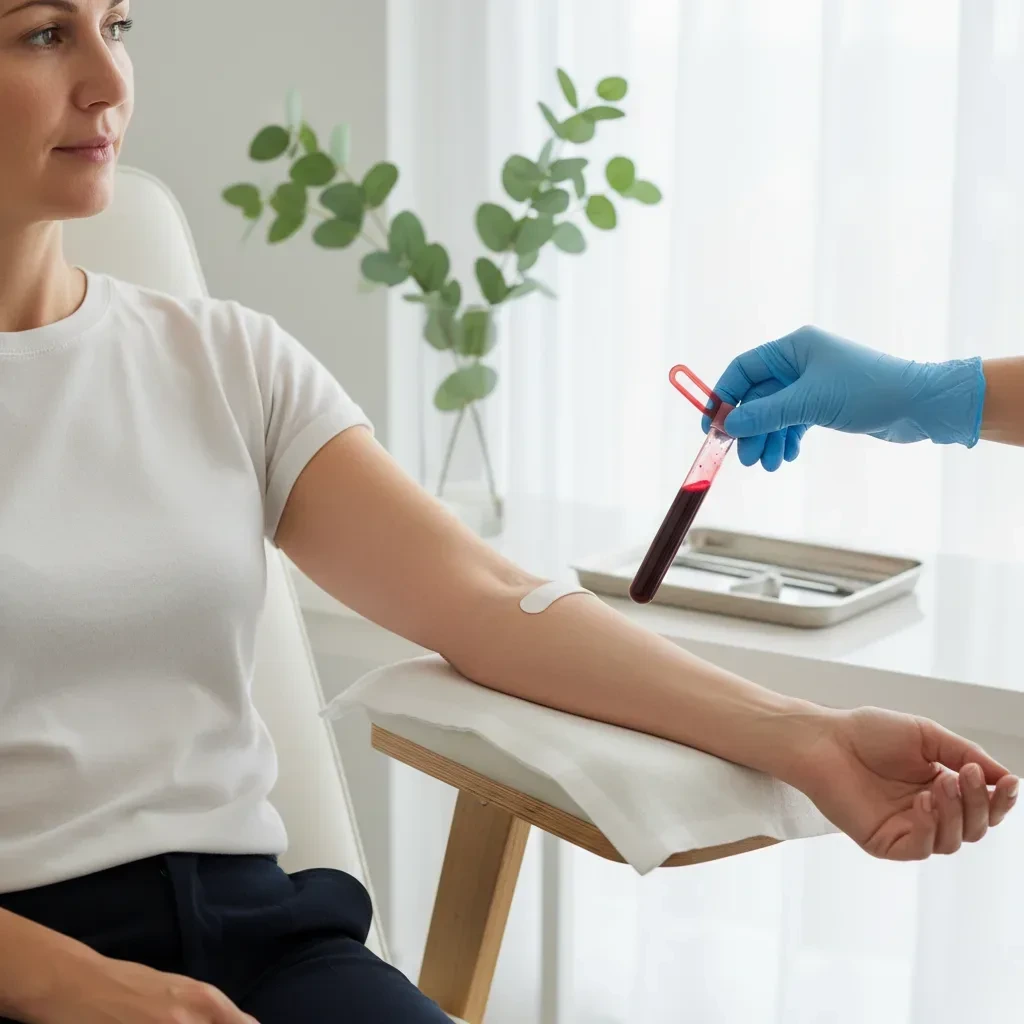
No problem. The draw is about two minutes. It's a common procedure that our doctors and staff do multiple times every day. Patients often tell us afterward that it wasn't nearly as bad as they'd expected.
Show up for your lab appointment feeling well hydrated, fasting, and with a list of any supplements or medications you take. We'll do the rest from there.
Need help with blood work for weight loss?
Book An Appointment. Jolie Visage Rejuvenation Centre is ready to help.
What to Expect After Your Results
This is the question I hear most:
When you come back to our office for your lab results, we'll go over them with you, one by one. Each test has several markers. For instance, a blood test for thyroid function will tell us about several different hormones that affect how your thyroid gland performs. We don't just tell you what you need to know; we talk with you about why your numbers look the way they do.
We connect the dots.
- We walk through each lab report and test with you in plain language.
- We flag any markers that may be contributing to sluggish metabolism and/or fat loss struggles.
- We discuss your blood work results in the context of your current health concerns and weight loss goals.
- We begin discussing the next step and create a plan to address each specific issue uncovered by your blood work.
It could include starting you on semaglutide injections if insulin resistance was part of your blood work results. Your B12 levels might be low and lipotropic injections may give you a quick energy lift. We might discover hormone imbalances that point toward hormone therapy. We're no longer shooting in the dark.
Patients have told us before that they've tried other programs where the doctor never looked at their blood work. Just handed a meal plan and told to go! That's like taking apart a car to try and fix it without ever opening the hood first.
We also schedule weight loss maintenance appointments, so we can monitor your weight loss progress and tweak your plan as your body continues to change. Your Week One blood work won't look like your Week Eight labs, and we want to know that. Adjustments matter. People in the Inlet Square neighborhood are frequent visitors, because staying current is so much easier.
Seeing the results on a piece of paper changes the paradigm for most. It goes from being an issue of willpower to one of biology. It's difficult to feel frustrated about a slow pace of weight loss when the cortisol levels have been sky high or you can see thyroid levels that simply aren't working properly. That makes a difference.
Your results aren't just data. They inform all future decisions we make together.
Who Benefits Most from Weight Loss Blood Work
You're doing all the things: eating healthy foods, exercising more, avoiding sugars. It just doesn't work. That's the client most often seen at the Murrells Inlet office. Labs are beneficial for people who are at a standstill, but they can benefit a broader population as well.
We utilize them with different people in a variety of contexts:

- Anyone struggling to keep weight off long-term despite multiple diet and exercise attempts
- Individuals starting a medical weight loss plan with semaglutide or tirzepatide
- Women in their 30s, 40s, and 50s dealing with hormonal changes
- Men struggling to lose weight around their bellies
- Patients that are already taking hormone therapy
Many of those we see in the nearby Burgess community are simply told to "eat less." The body works in much more complex ways, especially if the thyroid is underactive, or if the insulin levels are chronically high, and it takes more than just "willpower" to solve either. We see younger patients, too. Many of the patients we've seen come in in their late twenties, complaining that they don't know what's going on because their weight is just creeping up and they are experiencing chronic fatigue. Often that's a panel that uncovers a vitamin deficiency or pre-insulin resistance.
The sooner you identify that, the sooner you can take action. It's not always about losing weight. We need to know if you're safe to proceed with certain weight loss injections or appetite suppressant drugs. We always want to be sure certain medical contraindications aren't present before creating a plan.
Who benefits most from this? Anyone that seeks actual solutions and not mere assumptions. If you're experiencing a plateau on weight loss, you're embarking on one of our weight loss plans or just feel like something's up with your metabolism, that's typically where we start. The labs will give us something actionable 90% of the time.
Unsure? That is common. Most people are surprised when they walk into a consultation about weight loss that they need to have lab work done.
Frequently Asked Questions
Common questions about blood work for weight loss services in Murrells Inlet
What should I do to prepare for blood work for weight loss in Murrells Inlet?
Fast for 8 to 12 hours before your appointment — water and black coffee are fine. Eat a normal dinner the night before so we see your real baseline. Drink plenty of water so your veins are easy to find. Wear a shirt with loose sleeves. Bring a list of every supplement you take. Biotin alone can throw off thyroid readings. Morning appointments give us the most accurate hormone and cortisol numbers.
Why do my regular lab results say 'normal' but I still can't lose weight?
Standard lab ranges are built to catch disease, not to help you lose stubborn fat. A thyroid level inside the reference range can still slow your metabolism down. We read your results through a weight loss lens, not just a disease-screening lens. That difference matters a lot. Fasting insulin, cortisol, vitamin D, and free T3 can all sit in 'normal' territory and still block your progress. We look for patterns, not just red flags.
How long does a blood draw appointment take at your Murrells Inlet office?
The actual draw takes about two minutes. Most patients tell us it was much easier than they expected. We pull labs right here in our office near the MarshWalk area, so you're not driving across town. Results usually come back fast. Once they're in, we go over everything with you and talk through what the numbers mean for your specific weight loss goals.
What markers does a weight loss blood panel check that a regular physical might miss?
We check free T3 and free T4, not just TSH. We look at fasting insulin alongside glucose. We check cortisol, testosterone, estrogen, vitamin D, B12, and inflammatory markers like CRP. A regular physical might only catch the most obvious numbers. We're looking for patterns — three slightly off markers pointing the same direction tells us a lot more than one number out of range.
Do people from nearby areas like Garden City come in for weight loss blood work?
Yes, we see patients from Garden City regularly. Many come in after years of trying diets and calorie counting with no answers. Nobody had ever looked at their labs through a weight loss framework before. Once we check the right markers and read them together, the reason they've been stuck usually becomes clear pretty fast. You don't have to keep guessing when the data can point us in the right direction.
What happens after my blood work results come back?
We sit down with you and go through every marker together. We're not just handing you a printout. We explain what each number means for your weight loss plan specifically. If your cortisol is high, your insulin is off, or your thyroid is dragging, we talk about what to do next. That might mean a nutrition shift, a hormone support plan, or a metabolism booster injection. The results give us a real map to work from.