

What's Covered on This Page
- Signs Your Body Is Telling You To Check Your Hormone Levels
- How Bioidentical Hormones Differ From Conventional Hormone Replacement
- Delivery Methods and What to Expect After Treatment
- Ongoing Monitoring and Knowing When to Adjust Your Protocol
- How do I know if bioidentical hormone replacement is right for me in Murrells Inlet?
- What makes bioidentical hormones different from regular hormone therapy?
- What happens during my first visit for bioidentical hormone replacement?
- Do men in Murrells Inlet use bioidentical hormone replacement too?
- How long does it take to feel results from bioidentical hormone replacement?
- Does the coastal climate in Murrells Inlet affect hormone levels or treatment?
Need bioidentical hormone replacement?
Book An Appointment. Call Jolie Visage Rejuvenation Centre now.
Signs Your Body Is Telling You To Check Your Hormone Levels
You don't just wake up and have a hormonal imbalance one day. Instead, the problem slowly creeps up on you until you think it's just how life is now.
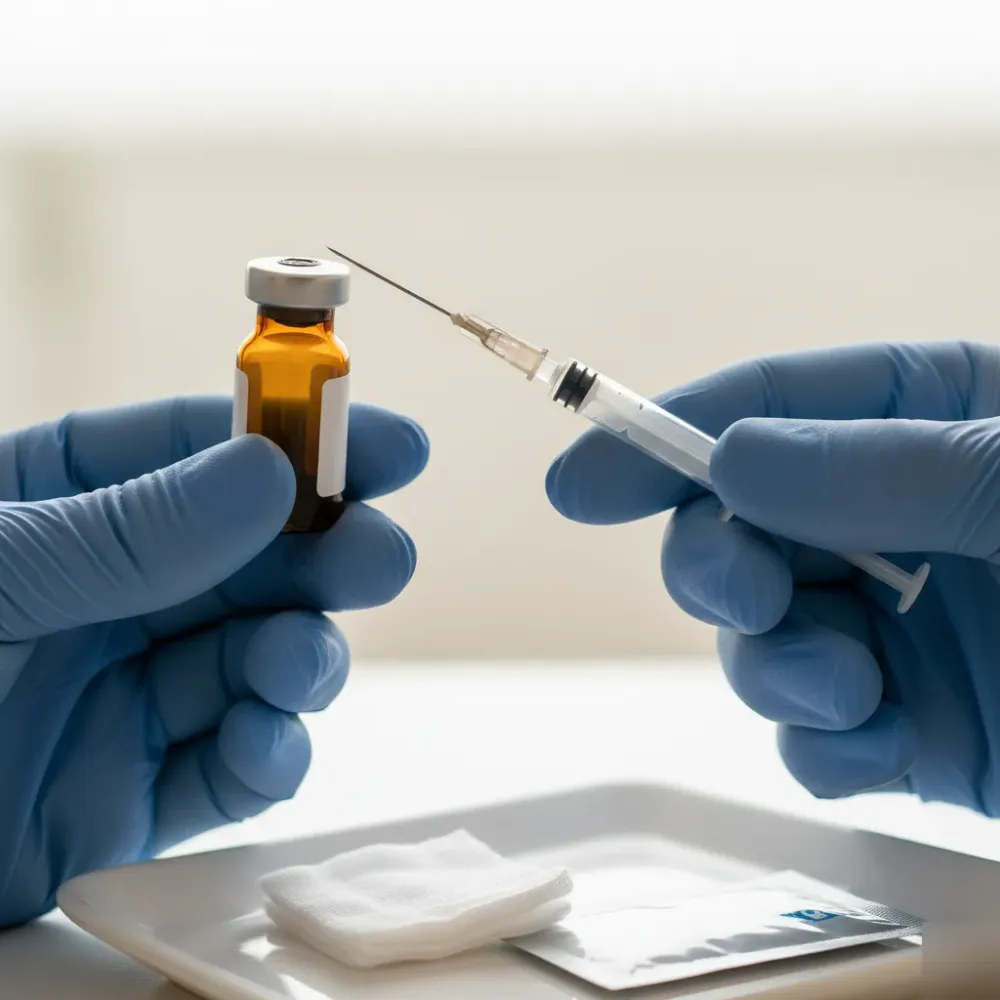
This is a story we hear all too frequently from people in Murrells Inlet. People say things like "I guess it's just how it is getting old." But there is a big difference between getting older and having a hormonal imbalance that is negatively impacting your quality of life. Learning the warning signs of a problem like this can mean the difference between feeling like you just aren't yourself for months without a reason.
Common symptoms we see in patients that lead to their bioidentical hormone replacement therapy treatment include:
- Chronic fatigue no matter how much sleep you get each night
- Increasing abdominal weight despite your best efforts at diet and exercise
- Cognitive difficulties such as brain fog, trouble focusing, or struggling to find words
- Unexplained depression or feelings of irritability disproportionate to the situation
- Lack of energy and interest in things you used to enjoy, including sex
These are stories we hear all the time. Someone may have bloodwork done by a general physician that came back "normal" but their body is not functioning correctly. Normal is a very loose term. Even within the limits of normal, there can be wide swings in what your body actually needs to function properly compared to the average.
Sometimes these warning signs are more subtle. For example, aches and joint stiffness in your body that you just assume is a consequence of getting older. Unexplained night sweats and hair loss. Or even something like hot flashes you experience in the grocery store near the Inlet.
The idea that these symptoms only affect women is untrue. Men deal with low energy, decreased muscle recovery, and mood changes as they reach their late 30s and beyond from decreasing testosterone and other hormones.
If you aren't sure if you should consider this, don't worry. That's pretty common. This information is not a diagnostic recommendation. It is simply a list of warning signs that suggest these symptoms are a problem in and of itself that should be looked into by a doctor and evaluated with a blood test.
BHRT is one of the medical services we provide at our Murrells Inlet med spa.
How Bioidentical Hormones Differ From Conventional Hormone Replacement
This is something we hear asked all the time in our office in Murrells Inlet. It is a valid question.
Conventional hormone replacement therapy uses synthetic hormones. These hormones are made in a lab to resemble the hormones produced naturally in the body. While these hormones are chemically similar to natural hormones, they are not bioidentical to what your body actually produces. Bioidentical hormone replacement uses hormones that are the same, molecule for molecule, as the hormones your body naturally produces. While some people may not think of this difference to be that important, it is.
Consider the analogy of a key in a lock. A synthetic hormone is like a key that mostly fits. Sometimes, it turns the lock. But for the most part, it sticks, it jams, it just doesn't feel right. On the other hand, a bioidentical hormone is the original key. Your body recognizes it because the structure is identical to what your cells already know how to use.
What Does That Mean for Me on a Daily Basis?
We see the difference play out in real life for real results. Many of our patients who've tried conventional hormone replacement therapy (HRT) previously and switched to bioidentical HRT come back with the same comments: fewer side effects, better sleep, and more stable moods. Their body simply responds more appropriately when the hormones are actually fitting.
Bioidentical hormones are different in that:
- They're derived from a plant source like soy or yams, then altered to match the structure of human hormones perfectly.
- They can be dosed according to what your specific lab work is showing, instead of a one-size-doesn't-fit-all approach.
- They're available in several ways, including creams, pellets, or even injections.
- The body uses your normal processing system to metabolize them.
As the Endocrine Society tells us, bioidentical hormones connect to the hormone receptors in your body in the exact same way that your body produces the hormones naturally. That isn't a little detail. That is the whole point.
Often, our patients here in and near Burgess who come to see us with concerns around conventional HRT are actually struggling with side effects that are completely unnecessary. Bloating, migraines, or moodiness that's worse than before. Bioidentical hormone replacement therapy simply means that the body will uptake and process those hormones differently.
But how do I know which I've used?
Many patients don't know if their therapy is synthetic or bioidentical. We can tell you if you have a 5-minute office visit.
What Is the Lab Work, And How Does That All Work?
You come in, we chat, that's where we start.
Before starting on a bioidentical hormone replacement program, we really want to see what is going on in your body. We don't guess and we don't assume that your age or your symptoms tell the whole story. Real lab work is ordered that shows us the hormone levels in our patients, straight up.
It's pretty common when you come to our Murrells Inlet office to have already heard from another doctor or clinician "your labs look normal." In most cases, it's because that previous provider ordered a basic test panel that doesn't tell the whole story.
Our lab work actually digs into your hormone levels. Here's what we are typically checking:
- Estradiol, progesterone, and testosterone (yes, all 3 matter for both men and women)
- Thyroid levels, such as free T3 and free T4
- DHEA-S and cortisol to help us gauge your body's stress response
- Vitamin D, B12, and others that play a role in your day-to-day wellness
These lab tests are ordered through a routine lab draw. Most of the time results are back in a few days and we sit down to go over each one, it's not the kind of visit that's only five minutes and someone has to look at a chart. It's a discussion of what your results mean for you. As important as testing is, is also making time for the consultation portion. We ask about sleep, energy patterns, and mood swings, we also ask what patients have tried to address their issues. Someone living near the Inlet Square area dealing with crushing fatigue at 2 p.m. every day has a different picture than someone whose main complaint is brain fog and low motivation. Both might need bioidentical hormone replacement, but the approach won't look the same. Also, most people don't expect it, but we listen to our patients; many have been crying the very first visit because no one has had the time to connect all the dots of their various symptoms. It takes anywhere from two weeks or so before beginning the process of restoring hormones in the body after the first lab work. The process isn't long but it's not a rushed one either and once the lab work comes back and we have a better understanding of your lifestyle you will see the results.
Delivery Methods and What to Expect After Treatment
Not all bodies react the same so there is more than one method of treatment for restoring hormone levels in Murrells Inlet. While many consider that pills are the only form of hormones there are actually several options, some of which are:

- Pellet therapy, where tiny pellets are placed under the skin which release the hormones within 3-6 months
- Topical creams and gels applied daily to the skin allowing absorption into the bloodstream
- Injections, given on a regular schedule right in our office or self-administered at home
Patient preferences will vary, for example, some who live near the Inlet Square area prefer the convenience of pellet treatment and only need to come every few months, while some would rather the control of applying a cream daily. There really is no right method of restoring hormones as each body is unique.
First Few Weeks
We like to inform our patients right from the start, they won't be a different person the day after treatment starts. Some have a better sleep the first week, others notice improvements by the second week and energy by week three or four while others experience the results closer to the 8-12 week mark, and we have seen a lot of it. Sometimes after starting treatment it is necessary to add an extra bit. This isn't uncommon. After 4-6 weeks, the hormones will be drawn to evaluate the level and, most times if an increase or decrease is needed, will only take one adjustment to find the right fit.
A few things you might notice early on:
- Mild changes in mood or appetite during the first two weeks as your body adjusts
- Improved sleep quality before other symptoms change
- Gradual return of mental clarity and focus by month two
- Increased energy that builds steadily rather than hitting all at once
Some patients tell us they forgot what "normal" even felt like until it came back. That moment is why we do this work.
Wondering which method makes sense for you? Give us a call and we'll walk through it together.
Need help with bioidentical hormone replacement?
Book An Appointment. Jolie Visage Rejuvenation Centre is ready to help.
Ongoing Monitoring and Knowing When to Adjust Your Protocol
Starting bioidentical hormone replacement is only half the job. The other half is tracking how your body responds over time.

We check labs at regular intervals after your first visit. Usually around six weeks, then at three months, then every six months once things stabilize. Blood work tells us what's happening beneath the surface. You might feel great, but your levels could still need a small tweak. Or you might feel "off" even though your numbers look fine on paper. Both situations happen all the time in our Murrells Inlet office, and we handle them differently depending on what the full picture shows.
Here's what we're watching for during follow-up labs:
- Hormone levels that have drifted too high or dropped below your target range
- Thyroid markers that may shift once estrogen or testosterone changes
- Liver and metabolic panels to confirm everything is processing well
- Symptoms that don't match what the numbers suggest
The first adjustment is almost always minor. A small dose change. A different delivery method. Maybe switching from a cream to pellets because absorption wasn't consistent enough. These aren't setbacks. They're normal parts of dialing things in.
What You Should Track Between Visits
We ask every patient to pay attention to a few things at home. Sleep quality. Energy around 2 or 3 in the afternoon. Mood shifts that seem to come out of nowhere. And yes, libido changes. These details help us make smarter decisions at your next check-in. Folks near the Inlet Square area sometimes pop in just to talk through what they've noticed before their scheduled labs.
Your protocol will change over time. Stress, aging, seasonal shifts, even weight changes can affect how your body uses hormones. A plan that worked perfectly for eighteen months might need a refresh. That's not failure. That's biology.
We stay involved for the long haul. Monitoring isn't a one-and-done blood draw, it's an ongoing conversation between you and our team. That's how you get results that actually last.
Bioidentical Hormone Replacement is one of the medical spa services at Jolie Visage in Murrells Inlet. If you're considering more than one treatment, we'll help you build a plan that fits your goals.
Frequently Asked Questions
Common questions about bioidentical hormone replacement services in Murrells Inlet
How do I know if bioidentical hormone replacement is right for me in Murrells Inlet?
If you're dealing with fatigue, brain fog, weight gain, or mood changes that won't go away, it's worth getting your levels checked. Many people in Murrells Inlet have been told their labs look normal, but standard panels often miss the full picture. We run deeper lab work that shows what your body actually needs. You don't have to keep guessing. A real conversation and the right bloodwork can give you clear answers.
What makes bioidentical hormones different from regular hormone therapy?
Bioidentical hormones match your body's own hormones molecule for molecule. Regular synthetic hormones are close, but not exact. That difference matters because your body recognizes bioidentical hormones and processes them through natural pathways. People who switch from conventional HRT often report fewer side effects, better sleep, and more stable moods. Your body simply responds better when the hormones fit the way they're supposed to.
What happens during my first visit for bioidentical hormone replacement?
Your first visit starts with a real conversation, not a rushed appointment. We talk about your symptoms, your sleep, your energy, and what you've already tried. Then we order lab work that checks estrogen, progesterone, testosterone, thyroid, cortisol, and more. Results come back in a few days. Then we sit down together and go through every number so you understand exactly what's going on and what we recommend.
Do men in Murrells Inlet use bioidentical hormone replacement too?
Yes, men use bioidentical hormone replacement regularly. Low testosterone affects men starting in their late 30s and gets more common after 40. Low energy, poor workout recovery, mood changes, and low drive are all signs worth evaluating. Murrells Inlet men often come in thinking it's just stress or aging. Many times it traces back to hormone levels we can measure and address with the right plan.
How long does it take to feel results from bioidentical hormone replacement?
Most people start noticing changes within four to six weeks. Sleep often improves first. Energy and mood usually follow. Full results can take three to six months as your body adjusts and we fine-tune your dosing based on follow-up labs. Everyone responds a little differently, so we don't use a one-size approach. We track your progress and adjust as needed until you feel like yourself again.
Does the coastal climate in Murrells Inlet affect hormone levels or treatment?
Humidity and heat along the Murrells Inlet coast can make symptoms like fatigue and night sweats feel worse, especially in summer. High heat also affects how some hormone delivery methods absorb into the skin. We take your lifestyle and local environment into account when choosing your delivery method, whether that's creams, pellets, or injections, so your treatment works the way it should year-round.