
What's Covered on This Page
- What a PRP Facial Treatment Actually Does for Your Skin
- Who Benefits Most from a PRP Facials Treatment?
- What To Expect During a PRP Facial Appointment
- Aftercare for an Active Coastal Lifestyle
- Creating a PRP Facial Series for Continued Results
- How long does it take to see results from a PRP facial in Murrells Inlet?
- Is a PRP facial painful?
- How does living near the coast in Murrells Inlet affect PRP facial aftercare?
- When is the best time to schedule my appointment?
- Who is a good candidate for a PRP facial?
- How is a PRP facial different from a regular facial or chemical peel?
What a PRP Facial Treatment Actually Does for Your Skin
If you haven't had a PRP treatment before, you might think it's another type of spa service. It isn't.
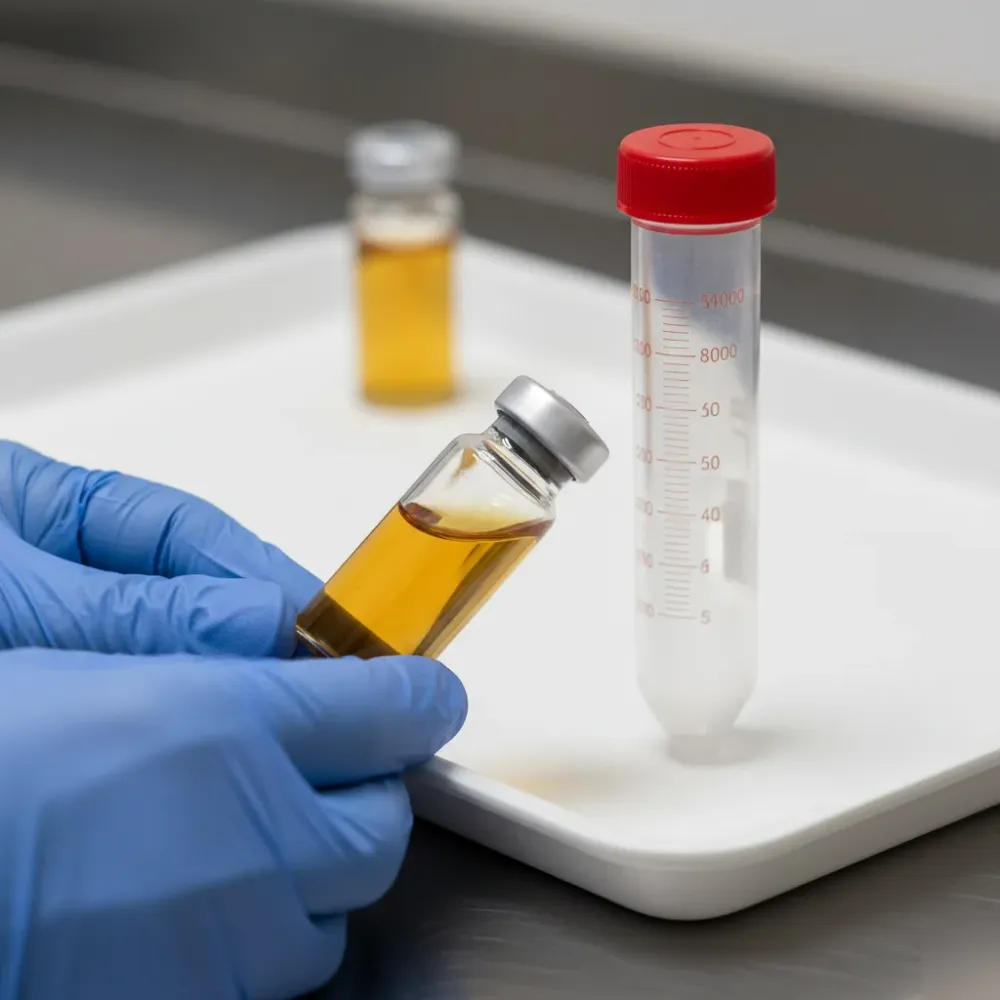
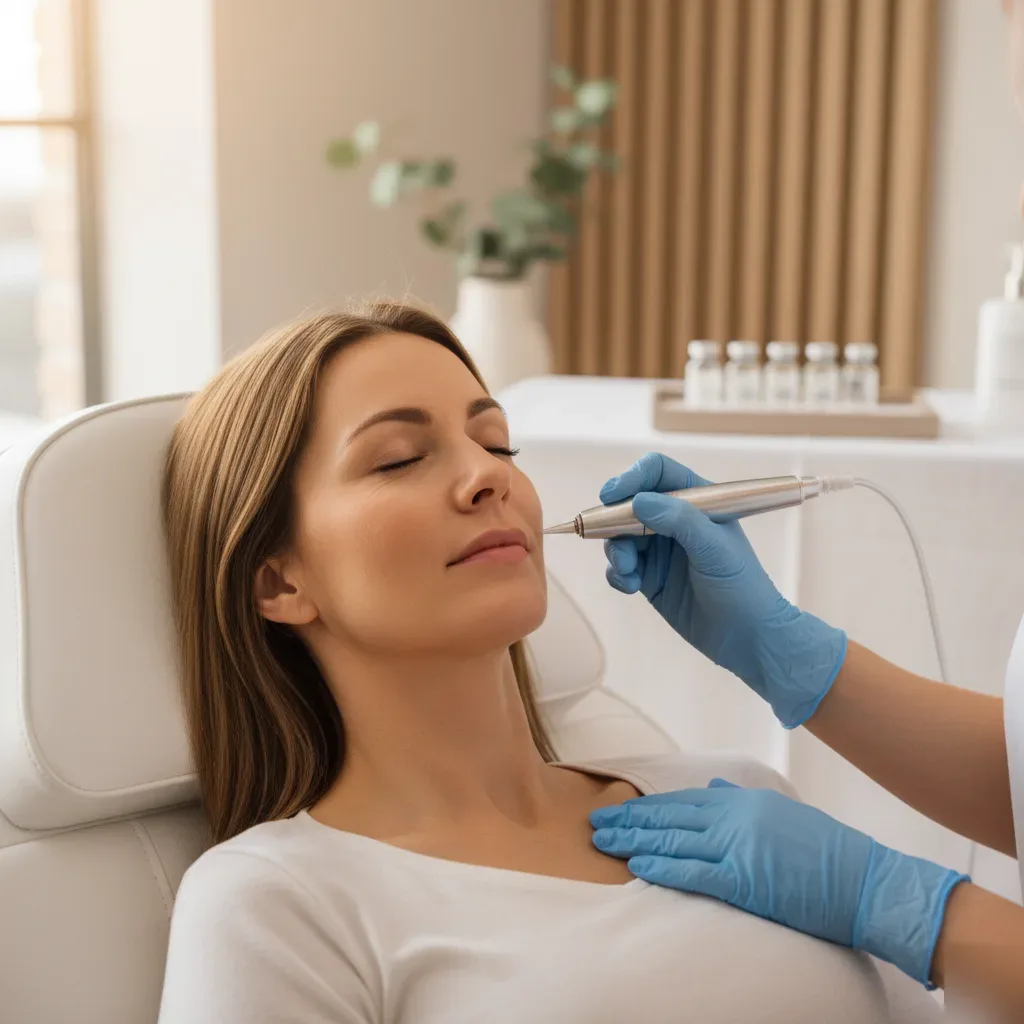
PRP stands for platelet-rich plasma. Your physician draws a small amount of your blood at the Murrells Inlet office, then spins your blood sample in a machine called a centrifuge, which removes the platelet-rich plasma from the other cells in your blood. The plasma contains high concentrations of growth factors, which are naturally occurring proteins your body already uses to heal wounds and regenerate tissues. After microneedling creates hundreds of micro-channels in the skin, your physician applies the plasma to your face. It is absorbed through the newly-created channels, which deliver the growth factors deep into the skin, allowing them to do their job.
This causes your body to begin its own renewal process; instead of using a chemical to stimulate collagen, or adding synthetic fillers, the process simply signals your body to produce new collagen. According to the Journal of Cosmetic Dermatology, PRP can boost collagen levels and improve the look of your skin with consistent treatments. New collagen means skin will be firmer, your pores will appear smaller, and your skin will be smoother and more even.
Here's what the growth factors can help address when they are in the skin:
- Fine lines and wrinkles around the eyes, mouth and forehead
- Pigment irregularities and lack of luster
- Mild acne scarring and uneven skin texture
- Wrinkles and sagging around the jawline and cheeks
It's our experience with PRP facials that the treatment is effective across a wide range of concerns. Many come to us from areas such as Garden City tired looking, washed out. Maybe they have tried creams, serums and treatments for months. The results don't happen immediately though. We ask that you wait at least three to four weeks to start seeing new collagen production from the treatment. Skin texture may improve, but it typically takes the full three to four weeks to start seeing an improvement in skin tone and color. After a second or third treatment, many patients begin to get noticed by the people they see at the grocery store.
When the treatment is right, patients look better than they ever have, but not as if they are different.
PRP facials are offered alongside the rest of our medical spa services.
Who Benefits Most from a PRP Facials Treatment?
We serve a broad demographic, but there are some patients who seem to experience the best results from PRP.
Patients in their late 30s to 40s tend to notice it first. They may have developed fine lines around their eyes, dull skin or a tired look that isn't improved by a good night's sleep. Nearly all of our Murrells Inlet patients of this age group say they've used serums, creams, and all of the things the internet suggested buying for their skin. None of them had any effect. A PRP facial is different because it uses the platelets from your own blood to activate the skin's healing response.
But age isn't the deciding factor. This is the kind of person who tends to respond to it best:
- Adults struggling with acne scars or rough skin after previous breakouts
- Anyone with sun damage from being at the beach close to the MarshWalk for the past several years
- Individuals who are experiencing loss of facial fat or drooping around their jaw and cheeks
- People who prefer a more natural approach to aesthetics and are not fond of using synthetic products
And we see a lot of male patients as well. It's interesting to some, but shouldn't be. According to the American Academy of Dermatology, PRP therapies have become more commonly sought out by various age groups over the last 10 years. Guys want to look awake and alert, too, they just don't always talk about it.
And one thing we say to every person during a consultation: if your skin is in pretty good shape but just looks like it could be better, a PRP facial can do something tangible. This is not about fixing something that's broken, this is about awakening what's already there.
Also, you may have had a PRP facial somewhere else and felt it under-delivered, and that doesn't necessarily mean you're not a candidate for it. Technique matters. The method of PRP preparation matters.
Are you a good fit for a PRP facial? Usually our candidates don't know themselves until we sit together and actually look at their skin. The consultation is how you find out if you're the one.
What To Expect During a PRP Facial Appointment
When you come in for a PRP facial appointment, you're going to be here for about 60 to 90 minutes. Here's what takes place in that time.
- The blood draw. We start out with a single vial of blood collected from your arm. This isn't a lot of blood. It's usually less than what you'd have pulled from you for a routine lab test. Most patients don't even feel it.
- The separation process. The blood is then spun in a centrifuge, which spins the blood fast enough to isolate the platelet-rich plasma away from the rest of the components. This process only lasts around 10 minutes.
- The anesthetic application. Meanwhile that spin is happening, we apply a numbing cream to your face. By the time the PRP is ready, your skin is numb.
- The PRP treatment. We administer the PRP into the skin with a microneedling treatment. These tiny channels enable your body's growth factors to get deep into the tissue layers where collagen is being manufactured.
- Aftercare advice. We follow the PRP microneedling with a soothing serum. Before we let you go, we talk about how you should treat your skin in the next 24 to 72 hours.
Nine times out of 10, we hear from patients that their nerves were the worst part of it all.
When our Murrells Inlet patients come in, we always advise them to plan their treatment when they don't have dinner reservations or plans for a beach day the following day because your face will be somewhat red and warm in the hours following the treatment. You may also experience slight swelling above your eyes or along the cheeks, which is normal. You will notice that everything calms down by the next morning.
You may notice that your face will be feeling tight and dry for a couple days or so while your skin begins to heal. We will give you a clear set of instructions on what products to use and what to avoid in the meantime.
Most of the clients around the Inlet Square area book their appointments for Fridays because they have the weekends to wait out the healing process, and by Monday you have already gone back to work, or whatever you had originally planned, and your face already looks like it does naturally, without being pink.
We encourage you to give us a call if you want to find out more about whether you are a good candidate.
Need help with prp facial?
Book An Appointment. Jolie Visage Rejuvenation Centre is ready to help.
Aftercare for an Active Coastal Lifestyle
You live near the beach. You spend a lot of time outdoors. This can make aftercare for a PRP facial more difficult.
Residents of Murrells Inlet are outside for long periods of time while on the water. They enjoy the marsh, the beaches and walking the Huntington Beach boardwalk, the piers for the dock fishermen. In order to protect your skin and to that it has time to heal properly during these days, we have to take your salt-air exposure and UV exposure into account.
For the first 24 hours after your treatment, your face will look flushed and will seem like it just got a mild sunburn. This is normal. Your microchannels from the micro-needling will be open and healing, allowing your growth factors to do their work below your skin. Here are the aftercare instructions we have given to all our patients before they leave our office:
- Avoid being directly in the sun for the first 48 hours.
- Avoid swimming and using hot tubs for the first 72 hours.
- Skip makeup or heavy products in the first 12 to 24 hours.
- Sunscreen that's SPF 30 or higher can be applied for sun exposure.
We have had people try to be proactive and head to the beach again right the same day or day after treatment, only to regret it after they experienced more irritation. Let your skin do its thing and give it time to recover.
The humidity of our coastal weather can actually help your skin during the healing process, as your skin will tend to not get as dry while you are recovering. However, the salt and sand from our beach environment can cause irritation if we're not careful with our skin.
Maintain a clean perimeter on your face during the first couple of days. You may experience some mild peeling or sensation of tight skin within the first 2-3 days. But by day 5-6 you will return to regular activities and the rejuvenation effect will appear at the 2 week mark. Hydrating products after day 1 is okay; we will give you a recommendation based on your skin type. If you are interested in learning more about a PRP facial, feel free to contact us for an appointment.
Creating a PRP Facial Series for Continued Results
As with many of our clients, you will have noticed we like for our patients to have a series of PRP Facials. This does not mean that you will not see some change with the first treatment (in fact, this is a common outcome), but it takes time to fully appreciate the result of this procedure. We typically suggest 3-4 treatments with a 4-6 week interval between sessions to allow your skin to recover and build collagen.

So how is a series of sessions set up:
- During your initial consultation, we assess your skin concerns, which may include lines and wrinkles, uneven complexion or old acne damage.
- We schedule your first session and take baseline photos so you can see real changes over time.
- During the 4-6 week interval, your skin will begin healing, during which we will see you in 4 weeks for your 2nd session.
- We repeat this process until you have had 3-4 treatments.
- We will discuss maintenance sessions every 6-12 months thereafter.
The patients that benefit the most from the series are the ones who stay consistent. Someone might do 1-2 treatments and love the results, but then 8 months go by before they come back. This delay can lead to the perception of not having results. We also take a look at your sun exposure schedule during these sessions. If a patient is going to spend a lot of time on MarshWalk or out at sea, we will time the sessions so that the sun does not impact the outcome. The time in between sessions is a very good thing as the production of collagen continues for weeks. This also can be a good time to use other treatments, such as microneedling and medical facials to help maintain the results and to continue building collagen production. If you are unsure how many treatments you will need, give us a call and we can set you in the right direction.
PRP Facial is one of the medical spa services at Jolie Visage in Murrells Inlet. If you're considering more than one treatment, we'll help you build a plan that fits your goals.
Frequently Asked Questions
Common questions about prp facial services in Murrells Inlet
How long does it take to see results from a PRP facial in Murrells Inlet?
Most people start noticing real changes around week three or four after their first session. Your skin needs time to build new collagen, so results are not instant. Texture smooths out first, then the glow follows. By your second or third session, you may start getting compliments you were not expecting. If you want to look your best for a summer event or beach season near the MarshWalk, plan ahead and book early.
Is a PRP facial painful?
Most people tell us the anticipation was worse than the actual treatment. We apply a topical numbing cream to your face while your blood is being processed in the centrifuge. By the time we start microneedling, your skin is comfortable. The blood draw feels like a routine lab visit. Nine out of ten clients are surprised by how manageable the whole appointment feels from start to finish.
How does living near the coast in Murrells Inlet affect PRP facial aftercare?
Living near the water means more sun exposure, and that matters a lot in the days right after your treatment. You need to stay out of direct sunlight and skip beach outings for at least 48 to 72 hours. No kayaking through the marsh, no long walks on the boardwalk, and no fishing off the dock without serious SPF protection. Your skin is healing and more sensitive than usual. We give you clear aftercare instructions before you leave.
When is the best time to schedule my appointment?
Book on a day when you have nothing social planned that evening. Your skin will look pink and feel warm for several hours after the treatment. Some mild swelling around the forehead or cheeks is normal. Many of our clients near the Inlet Square area book on a Friday afternoon so they have the weekend to recover. By Monday, the redness is gone and your skin just looks fresh and healthy.
Who is a good candidate for a PRP facial?
You are likely a good candidate if your skin is generally healthy but looks dull, tired, or uneven. People in their late 30s and 40s see some of the most noticeable results, especially those dealing with fine lines, mild acne scarring, or early sun damage from years at the beach. Men and women both benefit. The best way to know for sure is to come in for a consultation so we can look at your skin together.
How is a PRP facial different from a regular facial or chemical peel?
A PRP facial uses your own blood to trigger a real healing response inside your skin. It is not a surface treatment. We draw your blood, spin it to separate the platelet-rich plasma, then deliver those growth factors deep into your skin through microneedling. A regular facial cleans and hydrates the surface. A chemical peel removes outer layers. PRP works from the inside out, building new collagen over time rather than masking the problem.